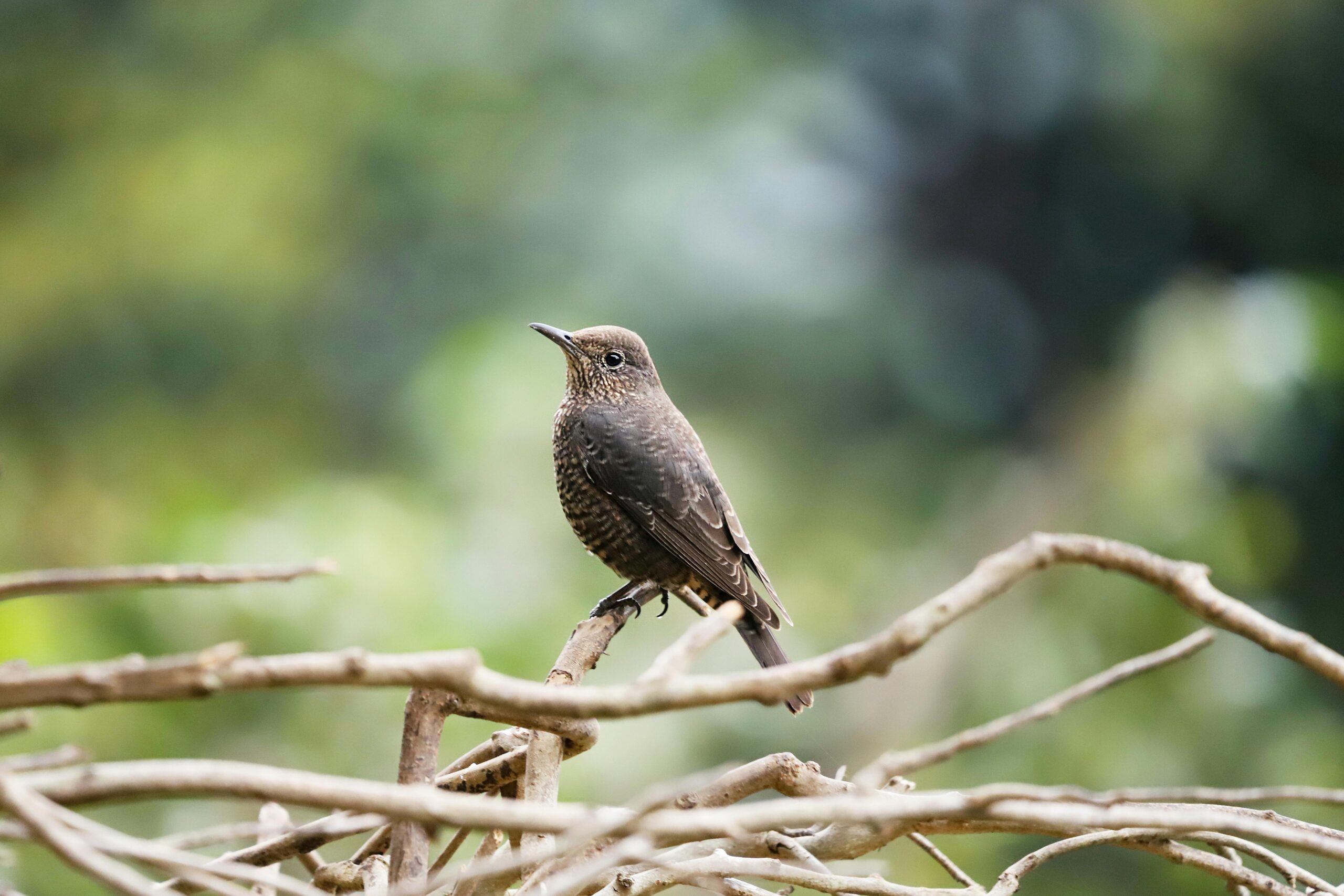
Perching birds belong to the order Passeriformes, a massive group that includes over 6,000 species worldwide. Their most defining feature is an anisodactyl foot structure—three toes pointing forward and one backward—which allows them to perch securely on branches, wires, and other narrow surfaces. This adaptation even lets them sleep while perched, thanks to a natural tendon‑locking mechanism. Songbirds (suborder Passeri) are a major subgroup within Passeriformes. They possess the most advanced syrinx (vocal organ) of any birds, giving them exceptional control over pitch and tone. This is why species like robins, nightingales, and wrens produce such complex and musical songs.
Passerines inhabit nearly every terrestrial environment on Earth except the most extreme polar regions. They range from tiny species like the short‑tailed pygmy-tyrant (4.2 g) to larger birds like the common raven (>1.5 kg).
Songbirds alone include roughly 4,000 species, making them one of the most successful vertebrate groups. Their evolutionary origins trace back about 50 million years, likely beginning in Australia before spreading globally.
Songbirds are known for their complex songs, used primarily for:
- Territorial communication
- Mate attraction
- Identity signaling
Females in many species prefer males with larger song repertoires, influencing sexual selection. Not all songbirds produce melodious songs, but all oscines have the anatomical capacity for sophisticated vocalization.
Hummingbirds are known for their agility and speed. Some species can fly over 30 mph, and males of certain species dive at over 60 mph during courtship. They may visit 1,500–2,000 flowers per day to meet their energy needs. Their rapid wingbeats and high oxygen demand require them to breathe up to 250 times per minute during flight.
While many hummingbirds are non‑migratory, species like the rufous hummingbird undertake long migrations, traveling up to 3,900 miles between Alaska and Mexico.
Perching birds are considered among the most adaptive and intelligent birds. Corvids (crows, jays, ravens) are especially notable for problem‑solving and tool use.
Why they are Important:
- Seed dispersal and pollination
- Insect population control
- Serving as prey for larger animals
- Acting as hosts for parasites Their mobility and migration patterns allow them to exploit seasonal habitats effectively.