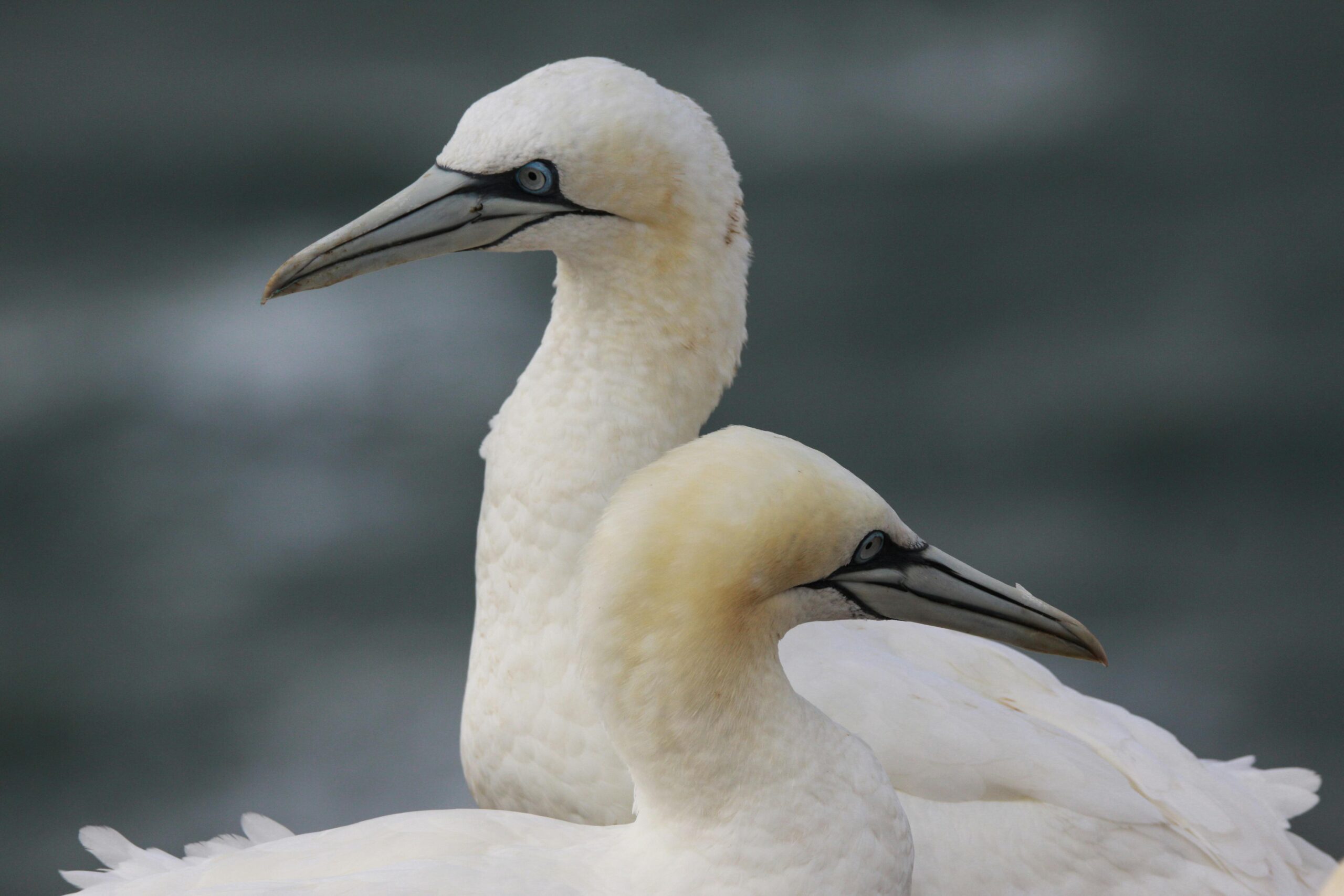
Seabirds are birds that spend much of their lives at sea, feeding on marine life and often nesting on remote coasts or islands. They have specialized adaptations such as salt‑excreting glands, waterproof feathers, and efficient flight or diving abilities that help them survive in harsh ocean environments. Most seabirds live long lives, raise only one or two chicks at a time, and often migrate vast distances across the globe. Because they depend so heavily on healthy oceans, they are sensitive to threats like climate change, overfishing, and pollution.
BSeabirds are defined by spending a substantial portion of their lives in marine environments, either along coasts or far out at sea. They often show convergent evolution, developing similar traits—like waterproof feathers, webbed feet, and salt glands—despite belonging to different bird families.
- Long-distance migrations, with some species traveling over 40,000 miles annually
- Long lifespans and late breeding
- Few offspring, but high parental investment
- Colonial nesting, sometimes in the millions
Seabirds occupy a wide range of ecological niches. Some, like terns and frigatebirds, feed at the ocean surface or snatch prey from the air. Others, such as penguins and auks, are powerful divers that pursue fish and squid underwater. Petrels and shearwaters roam vast ocean basins, using keen senses of smell and efficient gliding flight to locate food. Because they depend so closely on marine ecosystems, seabirds are highly sensitive to changes in ocean conditions, including shifts in temperature, prey availability, and sea ice.
Why they are Important:
- They indicate ocean health — changes in seabird populations reveal problems like overfishing, pollution, or climate shifts.
- They help control marine food webs by feeding on fish, squid, and plankton.
- They transport nutrients from the ocean to land through their guano, enriching island and coastal ecosystems.
- They support biodiversity by shaping habitats and influencing other species’ survival.
- They connect ecosystems globally through long migrations that move energy and nutrients across oceans.
- They contribute to human knowledge by helping scientists monitor climate change and marine conditions.